
"Panamanian export coffee"
1000 article(s) found
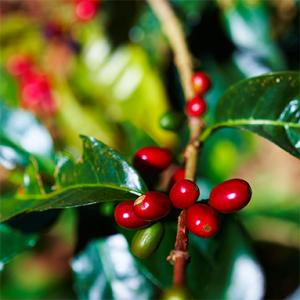
Introduction to the taste of Panamanian Kasha coffee beans with pure flavor
Panama's geographical advantage is that it has many distinctive microclimate areas suitable for coffee cultivation, and Panama also has many persistent and professional coffee growers. This means that there will be a lot of very good coffee in Panama, but these coffees are often associated with high prices. Panama (Panama) exports its first batch of coffee each year in November, almost all of it.

Panamanian Arida Estate Coffee Bean Flavor Description Grind Scale Treatment Variety Introduction
Emerald Manor became famous for its Geisha variety. Rose seeds were discovered in 1931 in Ethiopia's rose forests and sent to coffee research institutes in Kenya; they were later introduced to Uganda, Tanzania and Costa Rica, all with mediocre results. It was not until the 1960s that it was transplanted to Panama and survived nearly half a century before it became a blockbuster. 2005, 2006 and 2007

Introduction to the bright and refreshing Panamanian Rosa coffee flavor and taste of boutique coffee bean manor
Thanks to Boquete's unique climate, wet and dry seasons, ample sunshine and precipitation, and fertile soil formed by volcanic ash from Mount Baru, the coffee cultivation of Lerida Manor quickly grew its own climate, and in 1929, the estate's coffee beans were exported to Germany for the first time, earning a good reputation for Panamanian coffee. And for the next 3/4 centuries, as a family manor, Riley

Boutique coffee Panamanian coffee origin Panamanian coffee practice
The microclimate of the Panamanian highlands is the most important resource that makes Panamanian coffee unique. The most important resource that makes Panamanian coffee unique is its microclimate. The east-west environment of the Republic of Panama allows cold air to flow through the Central Mountains and converge above 6500 feet, creating a variety of microclimates in the Boquete and Volcn Candela regions.

Boutique coffee Panamanian coffee origin Panamanian coffee practice
The microclimate of the Panamanian highlands is the most important resource that makes Panamanian coffee unique. The most important resource that makes Panamanian coffee unique is its microclimate. The east-west environment of the Republic of Panama allows cold air to flow through the Central Mountains and converge above 6500 feet, creating a variety of microclimates in the Boquete and Volcn Candela regions.

Boutique coffee Panamanian coffee origin Panamanian coffee practice
The microclimate of the Panamanian highlands is the most important resource that makes Panamanian coffee unique. The most important resource that makes Panamanian coffee unique is its microclimate. The east-west environment of the Republic of Panama allows cold air to flow through the Central Mountains and converge above 6500 feet, creating a variety of microclimates in the Boquete and Volcn Candela regions.

Boutique coffee Panamanian coffee origin Panamanian coffee practice
The microclimate of the Panamanian highlands is the most important resource that makes Panamanian coffee unique. The most important resource that makes Panamanian coffee unique is its microclimate. The east-west environment of the Republic of Panama allows cold air to flow through the Central Mountains and converge above 6500 feet, creating a variety of microclimates in the Boquete and Volcn Candela regions.

Boutique coffee Panamanian coffee manor Panamanian coffee producing area
The microclimate of the Panamanian highlands is the most important resource that makes Panamanian coffee unique. The most important resource that makes Panamanian coffee unique is its microclimate. The east-west environment of the Republic of Panama allows cold air to flow through the Central Mountains and converge above 6500 feet, creating a variety of microclimates in the Boquete and Volcn Candela regions.
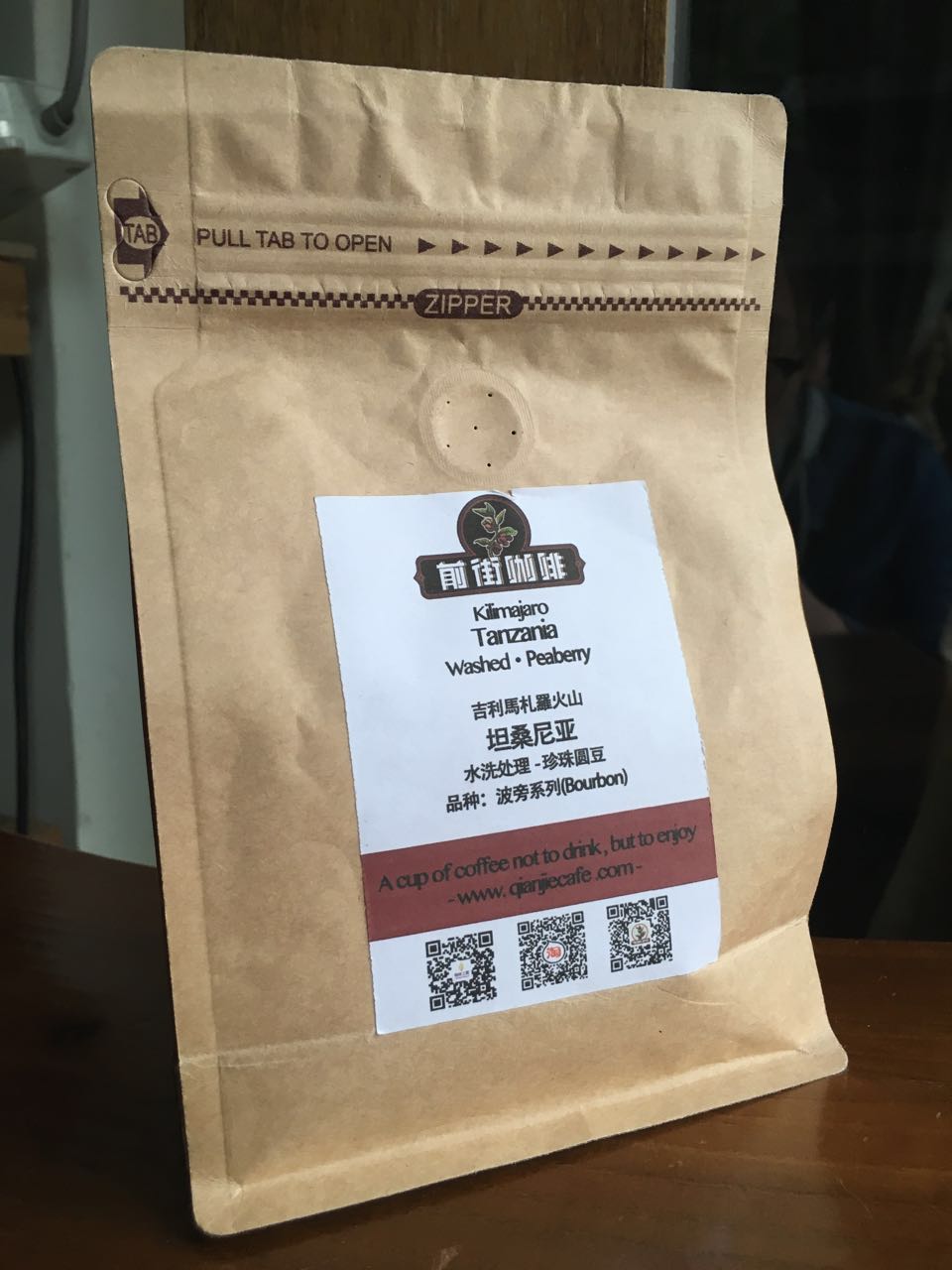
Boutique coffee Panamanian coffee introduces the characteristics of Panamanian coffee
The microclimate of the Panamanian highlands is the most important resource that makes Panamanian coffee unique. The most important resource that makes Panamanian coffee unique is its microclimate. The east-west environment of the Republic of Panama allows cold air to flow through the Central Mountains and converge above 6500 feet, creating a variety of microclimates in the Boquete and Volcn Candela regions.

Panamanian Esmeralda Manor Coffee Flavor description Grinding scale Variety production area introduction
Panamanian Esmeralda Manor Coffee Flavor description Grinding scale Variety producing area introduction 1931 unknown export from Geisha Mountain Mountain in southwestern Ethiopia (which happens to be synonymous with Japanese geisha) to Kenya, wandering to Tanzania and Costa Rica, and then transplanted to Panama in the 1960s, and then survived for nearly half a century before it became a blockbuster and defeated Chang.
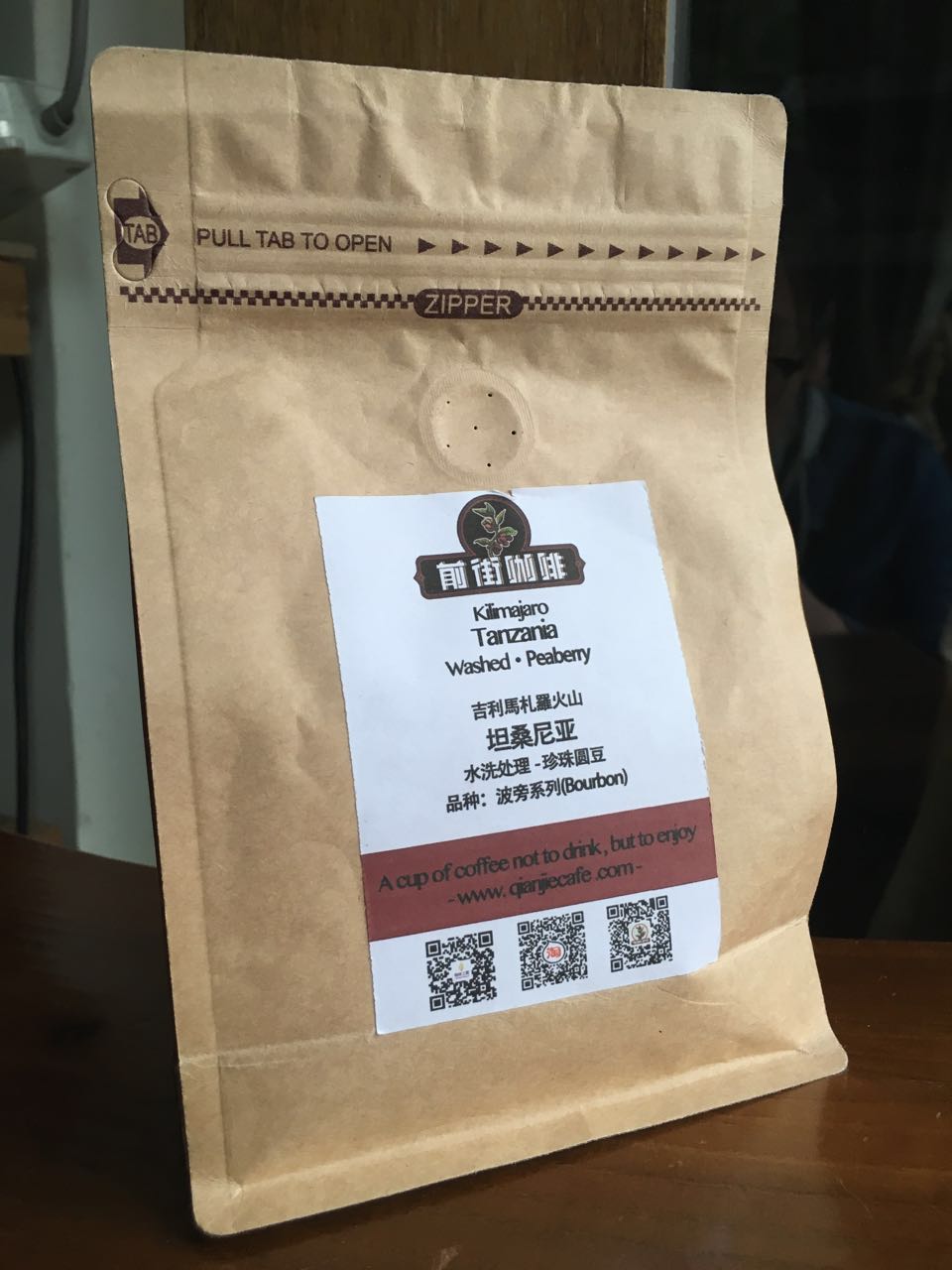
Boutique coffee Panamanian coffee manor Panamanian coffee producing area
The microclimate of the Panamanian highlands is the most important resource that makes Panamanian coffee unique. The most important resource that makes Panamanian coffee unique is its microclimate. The east-west environment of the Republic of Panama allows cold air to flow through the Central Mountains and converge above 6500 feet, creating a variety of microclimates in the Boquete and Volcn Candela regions.

Boutique coffee Panamanian coffee manor Panamanian coffee producing area
The microclimate of the Panamanian highlands is the most important resource that makes Panamanian coffee unique. The most important resource that makes Panamanian coffee unique is its microclimate. The east-west environment of the Republic of Panama allows cold air to flow through the Central Mountains and converge above 6500 feet, creating a variety of microclimates in the Boquete and Volcn Candela regions.
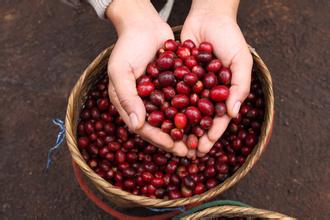
Boutique coffee Panamanian coffee manor Panamanian coffee producing area
The microclimate of the Panamanian highlands is the most important resource that makes Panamanian coffee unique. The most important resource that makes Panamanian coffee unique is its microclimate. The east-west environment of the Republic of Panama allows cold air to flow through the Central Mountains and converge above 6500 feet, creating a variety of microclimates in the Boquete and Volcn Candela regions.

Characteristics of coffee beans in various producing areas in Panama which producing area of Panamanian butterfly coffee
For the exchange of professional baristas, please follow the Coffee Workshop (official Wechat account cafe_style). There are seven countries in Central America, namely, Belize, Costa Rica, El Salvador, Guatemala, Honduras, Nicaragua and Panama. All seven countries in Central America produce coffee, among which Guatemala, Costa Rica and Honduras are global coffee exporters.

Boutique coffee Panamanian coffee introduces the characteristics of Panamanian coffee
The microclimate of the Panamanian highlands is the most important resource that makes Panamanian coffee unique. The most important resource that makes Panamanian coffee unique is its microclimate. The east-west environment of the Republic of Panama allows cold air to flow through the Central Mountains and converge above 6500 feet, creating a variety of microclimates in the Boquete and Volcn Candela regions.

Boutique coffee Panamanian coffee introduces the characteristics of Panamanian coffee
The microclimate of the Panamanian highlands is the most important resource that makes Panamanian coffee unique. The most important resource that makes Panamanian coffee unique is its microclimate. The east-west environment of the Republic of Panama allows cold air to flow through the Central Mountains and converge above 6500 feet, creating a variety of microclimates in the Boquete and Volcn Candela regions.

Boutique coffee Panamanian coffee features Panamanian coffee introduction coffee beans
The microclimate of the Panamanian highlands is the most important resource that makes Panamanian coffee unique. The most important resource that makes Panamanian coffee unique is its microclimate. The east-west environment of the Republic of Panama allows cold air to flow through the Central Mountains and converge above 6500 feet, creating a variety of microclimates in the Boquete and Volcn Candela regions.
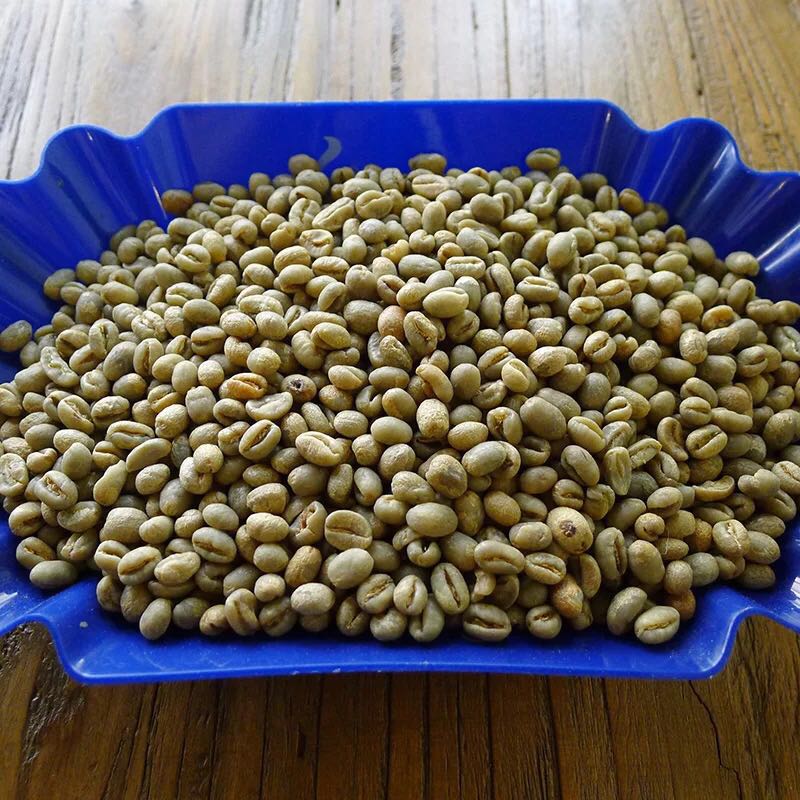
Fine coffee Panamanian coffee beans introduction to Panamanian coffee beans
The microclimate of the Panamanian highlands is the most important resource that makes Panamanian coffee unique. The most important resource that makes Panamanian coffee unique is its microclimate. The east-west environment of the Republic of Panama allows cold air to flow through the Central Mountains and converge above 6500 feet, creating a variety of microclimates in the Boquete and Volcn Candela regions.

Introduction to the production area of Katharina Louis in Panama | how is the flavor of Panamanian water washing Kaduai?
KR Coffee Specialty, located in Pokuit, Panama, is run by the Ruiz family and is now in operation for the fifth generation. Over the past five years, Ruiz has been committed to improving the quality of coffee from local small farmers in Poquet, from planting varieties, field care, post-harvest treatment to final packaging and export. Also committed to the production of high-quality coffee molded bar

Panamanian coffee flavor description Panamanian coffee and Costa Rican coffee taste description
Professional baristas please follow the coffee workshop (Wechat official account cafe_style) Panamanian coffee flavor: these coffees have jasmine, citrus, ripe fruit, berries, caramel, special sweetness, vanilla, chocolate and other flavors. Costa Rican coffee features: full granules, ideal acidity, unique and strong flavor. The coffee industry in Costa Rica was originally made up of Goth.